The case, chapter by chapter
0:00
How many airplanes were built under one patent deal?
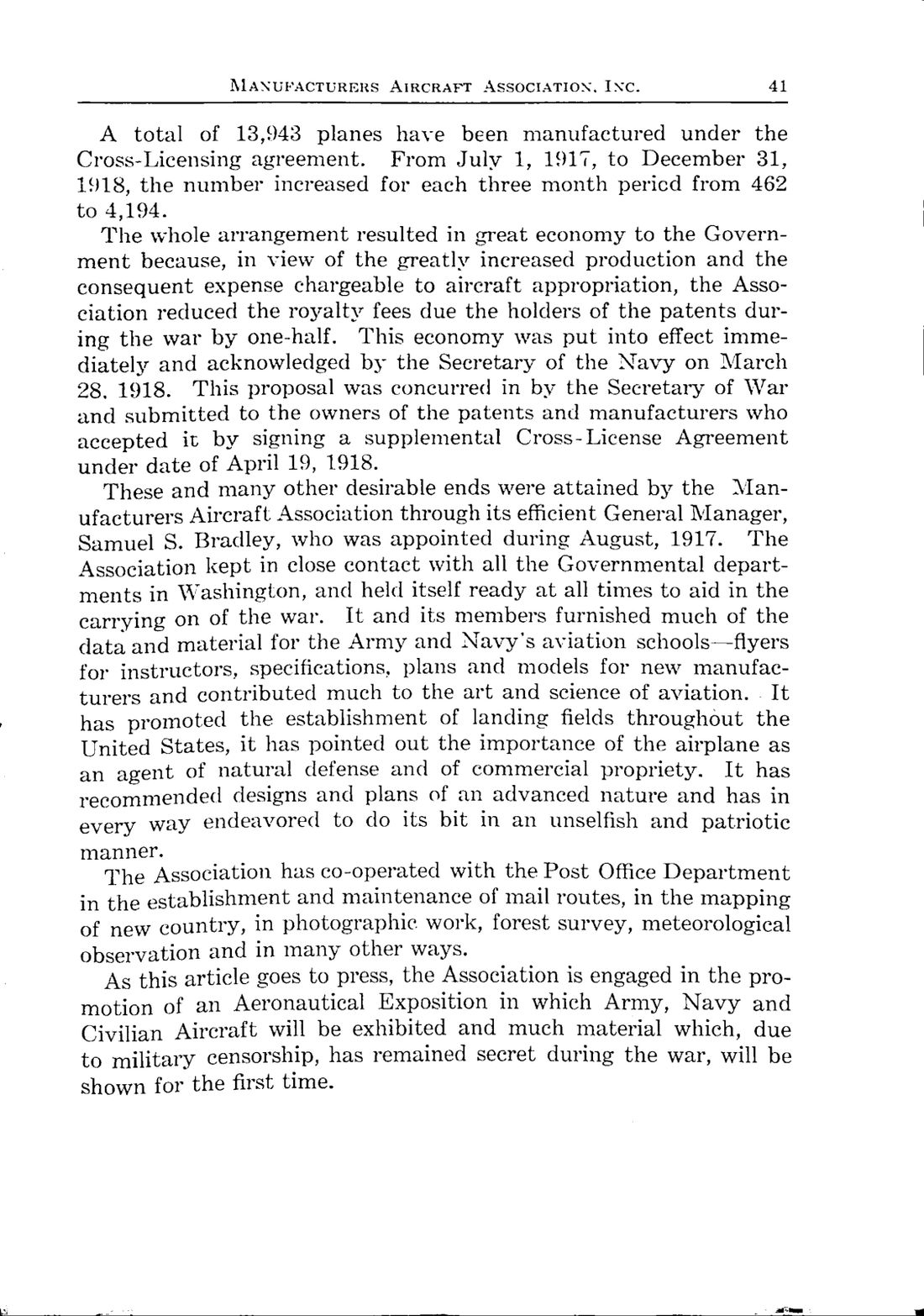
The industry's own yearbook gives a figure for July 1917 to December 1918: 13,943 airplanes, every one of them built under a patent-sharing deal [5].
Behind that deal sits a patent that two brothers had already won in court. So why did a committee of the United States government end up writing the price list? Three questions run through the case. Who invented it? Who was told to stop? And who was finally told what to charge?
Swipe sideways to read the full line.
0:51
What did U.S. Patent 821,393 claim?
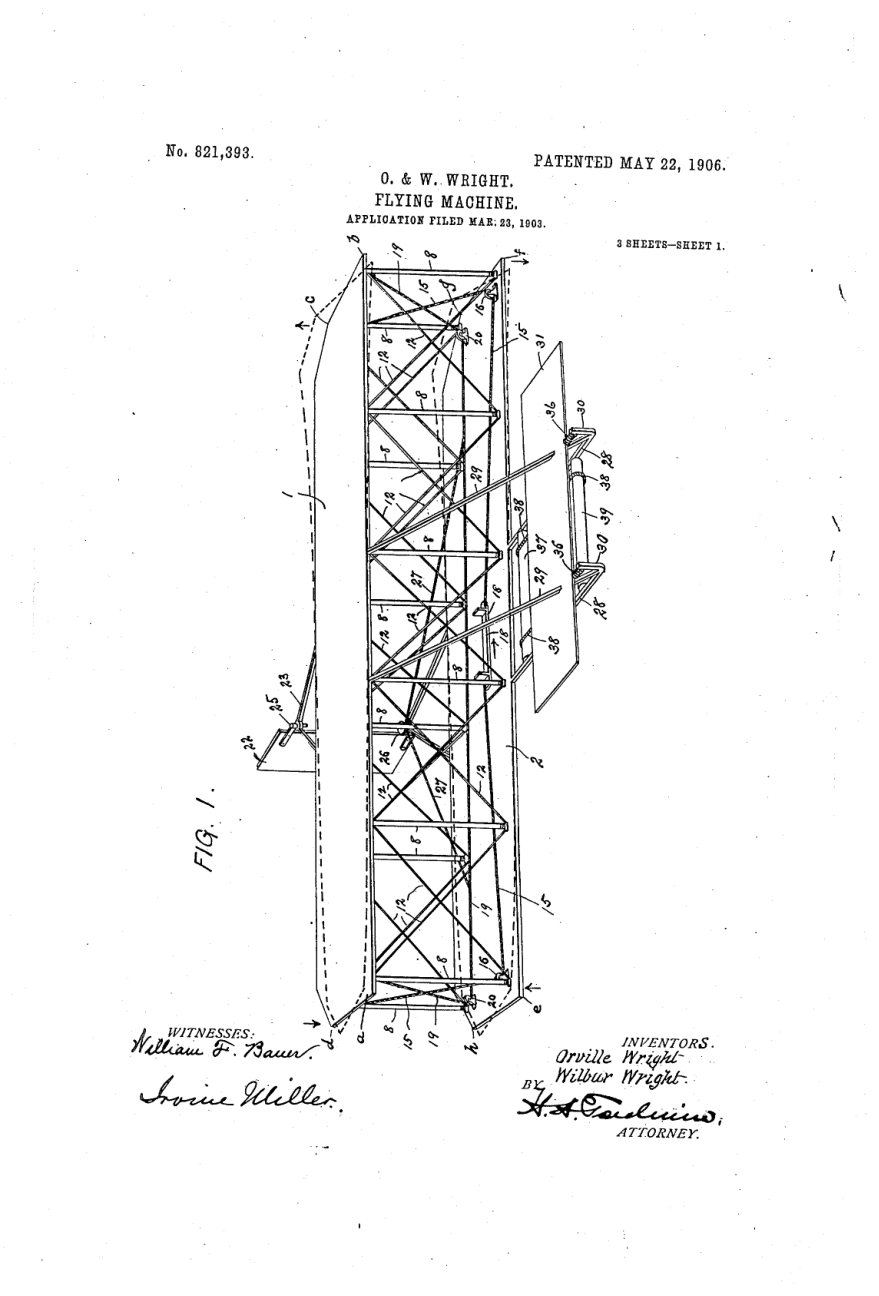
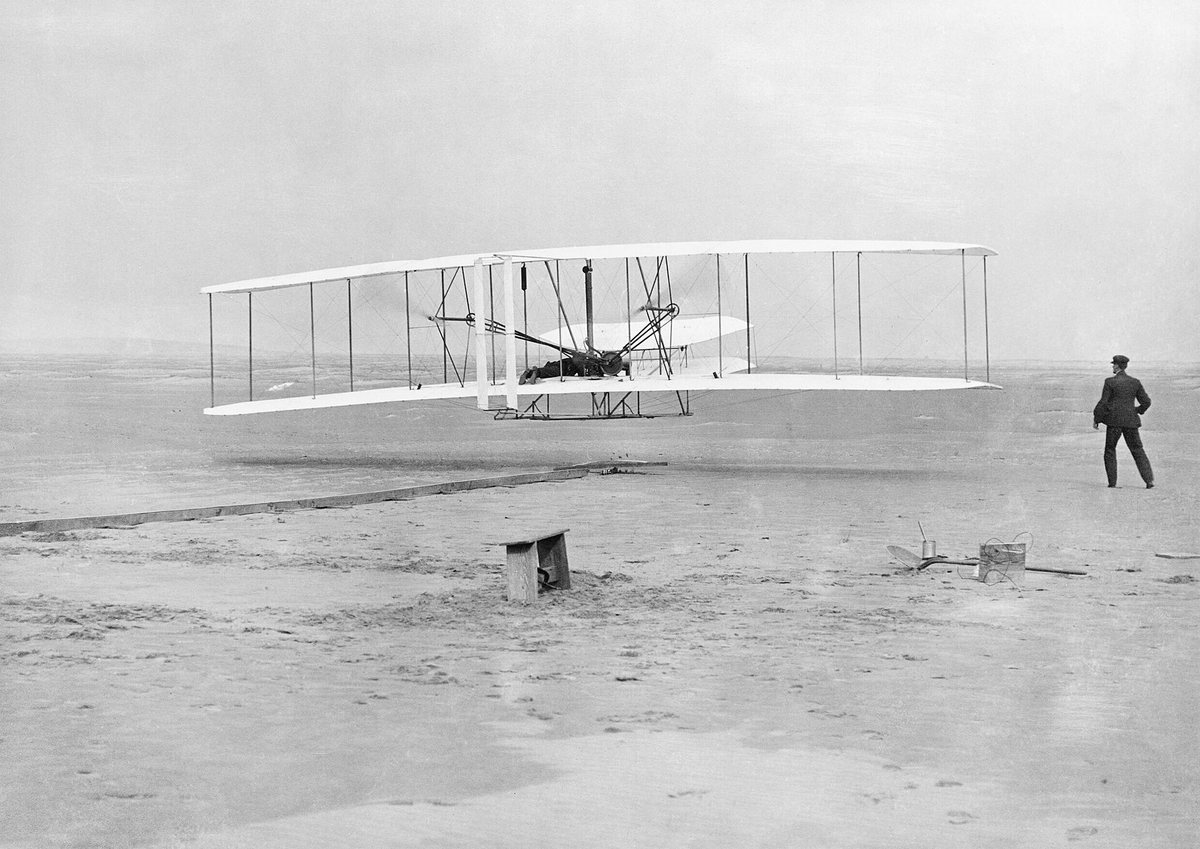
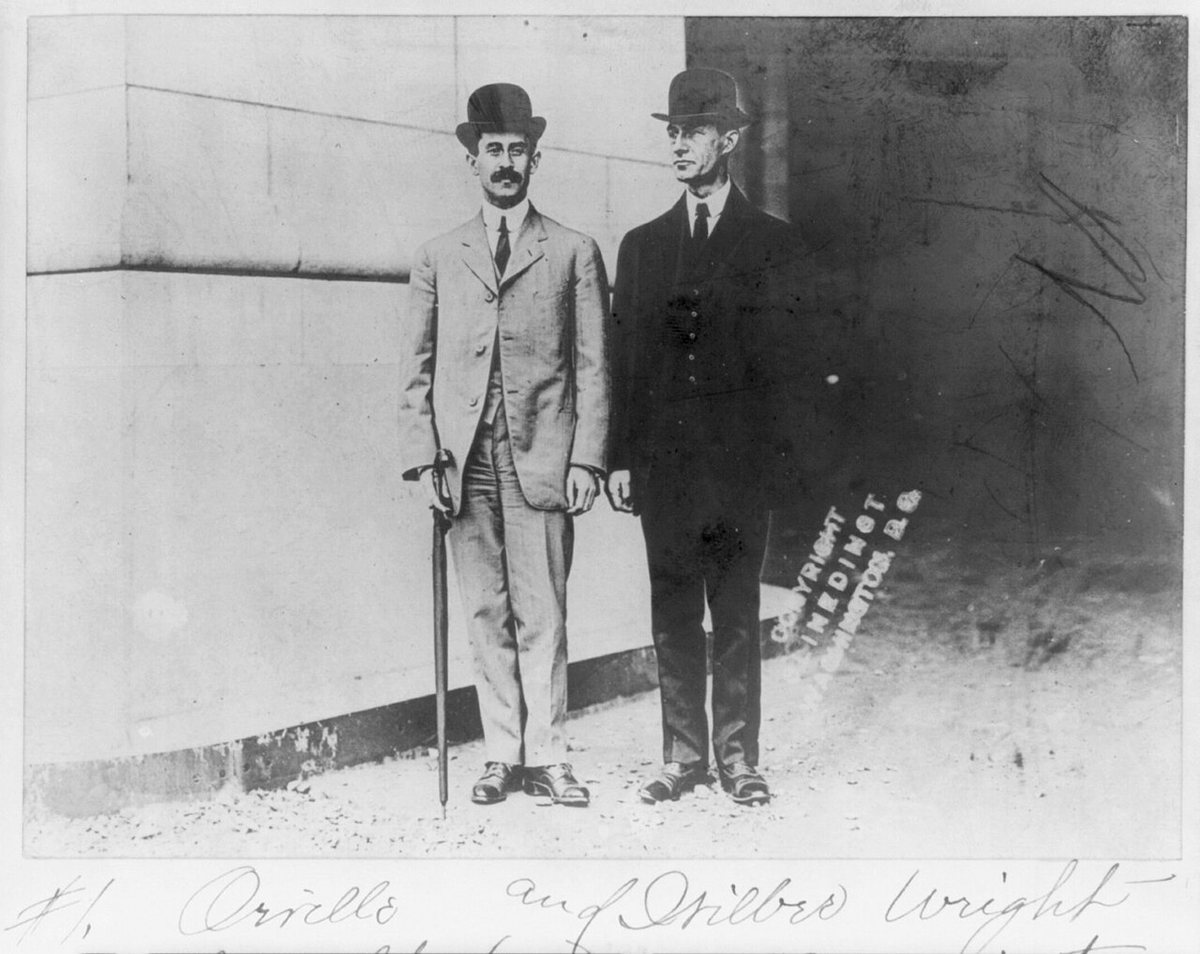
Orville and Wilbur Wright filed the patent on March 23, 1903. It was granted on May 22, 1906 [3]. The problem it attacked was balance. A judge would later write that the main obstacle to flight was the inability to keep a machine level when the air pushed it sideways [1].
The Wrights' answer was to twist the wings so that one side lifted more than the other, and to move a vertical rudder together with the wings. The patent says, in its own words, that its invention is not limited to one particular construction [1].
Four of its eighteen claims mattered here. Claim 3 describes wing edges that move to different angles at the same time. Claim 7 adds the rudder. Claims 14 and 15 add a second rudder at the front and say where each one sits [1][3].
Swipe sideways to read the full line.
2:16
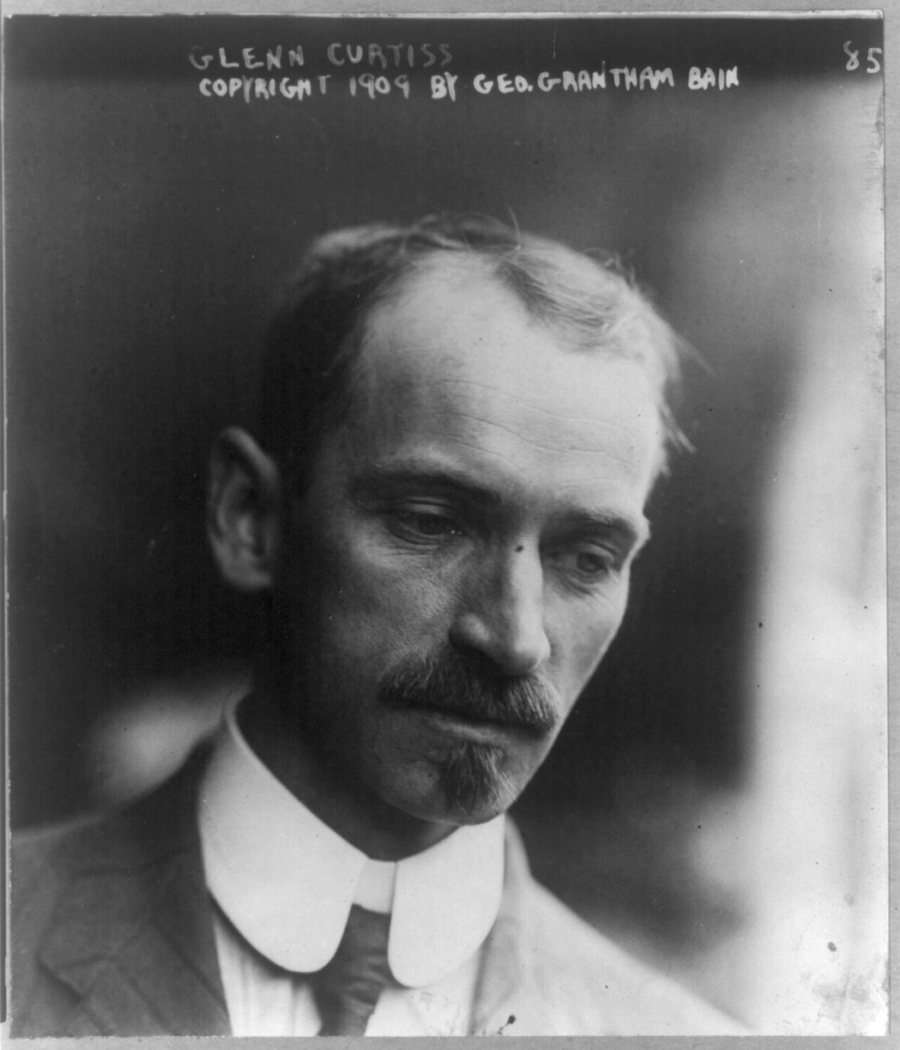
Who was Glenn Curtiss, and what was the lawsuit about?
The Wright Company sued the Herring-Curtiss Company, and Glenn Curtiss personally [1]. Curtiss did not copy the Wright machine. His wings had separate flaps, mounted between the planes, that moved when the pilot leaned. He had a rear rudder too, which he said he used only to steer [1].
So the question was not who built a better airplane. It was whether a different airplane could still be covered by the same patent.
2:50
How did a court decide it? With pilots.
Curtiss himself testified that his flaps kept the machine balanced "without the use of any other element or part" [1]. A Curtiss pilot named Willard said that when a control wire broke, he flew on for two miles without his rudder. The judge gave that little weight [1].
A captain from the government's flying station said he never used the rudder to level the machine, then admitted one time, in a steep climb, when he did. A lieutenant of the Army Signal Corps, who had flown both machines, said that in gusty weather, moving the rudder toward the high side made the machine level out at once [1].
The judge also pointed to a letter written by Curtiss, which in the judge's words substantially admitted that the rear rudder was turned that way at times. We have not read the letter itself. The testimony of the pilots, the judge wrote, would ordinarily weigh more than the experts, except for that evidence [1].
3:51
What did Judge Hazel rule in February 1913?
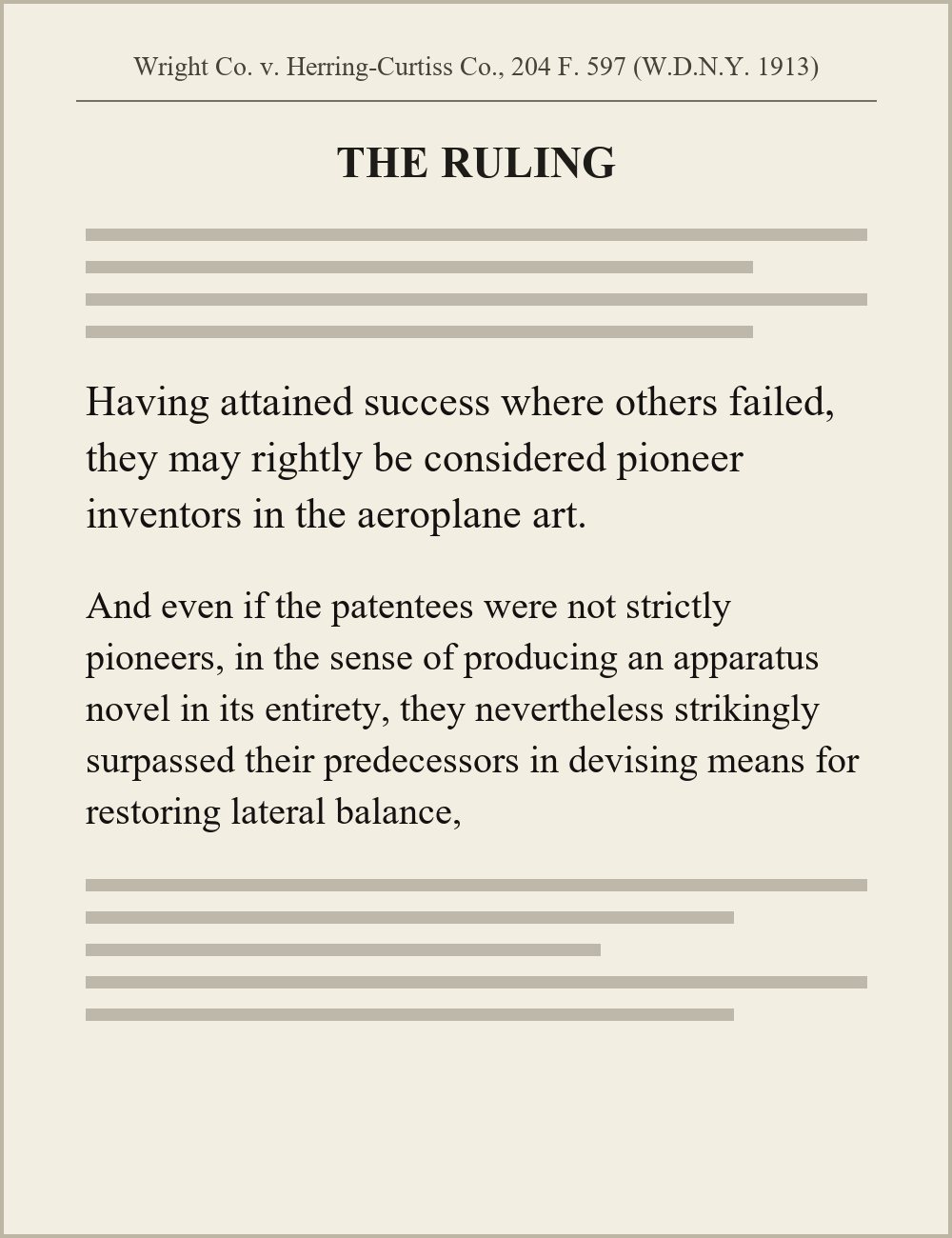
On Feb. 21, 1913, Judge Hazel ruled that the patent was valid and that claims 3, 7, 14 and 15 were infringed. He wrote that the brothers "may rightly be considered pioneer inventors in the aeroplane art" [1].
Read the sentence just before it. He also wrote that even if the patentees were not strictly pioneers, they had surpassed everyone before them at restoring balance. The same judge says they were not the first to think of wings, or rudders, or two stacked planes. What they added was a way to keep the machine level [1]. By then, the opinion itself refers to "the late Wilbur Wright."
Here is a detail that rarely gets told. The judge did not stop Curtiss. He granted a supersedeas, a pause on the decree as long as an appeal was pursued diligently. The Wrights had won, and the other side kept going [1].
Swipe sideways to read the full line.
4:50
What did the 1914 appeal change?
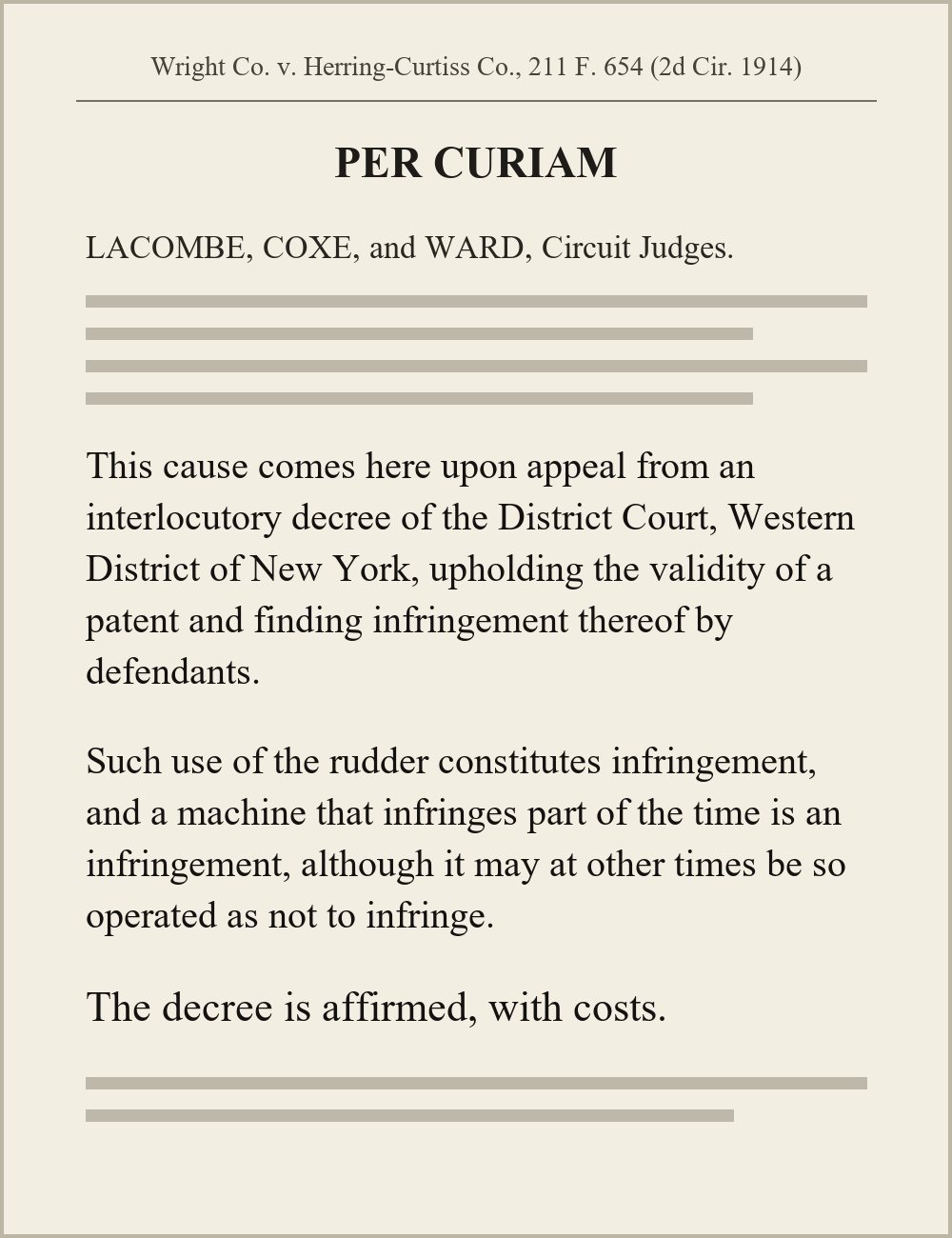
On Jan. 13, 1914, three judges of the Second Circuit answered in a few paragraphs. They agreed with the reasoning below and said the patentees may fairly be considered pioneers in the practical art of flying. They added that a machine that infringes part of the time is an infringement. The decree was affirmed, with costs [2].
But it was an interlocutory decree. It settled validity and infringement. In the two texts we read, there is not a single dollar figure for damages [1][2]. The victory was real, and the money was still missing.
Swipe sideways to read the full line.
5:35
What do historians report about 1915 to 1917?
What happened next is told by historians, not by the court record. According to those accounts, Orville Wright sold the Wright Company in October 1915 to a group of financiers. In December 1916, Wright-Martin reportedly asked other manufacturers for five percent of the price of every airplane, with a yearly minimum, and the government reportedly answered with an offer of one and a quarter percent [8].
On Feb. 5, 1917, the Smithsonian's Charles Walcott wrote to President Wilson about what he called the patent situation, according to the museum account. We have not found the letter itself, so we say only that it is reported. The United States was about to go to war, and it wanted airplanes [8].
6:27
What do the minutes of July 10, 1917 show?
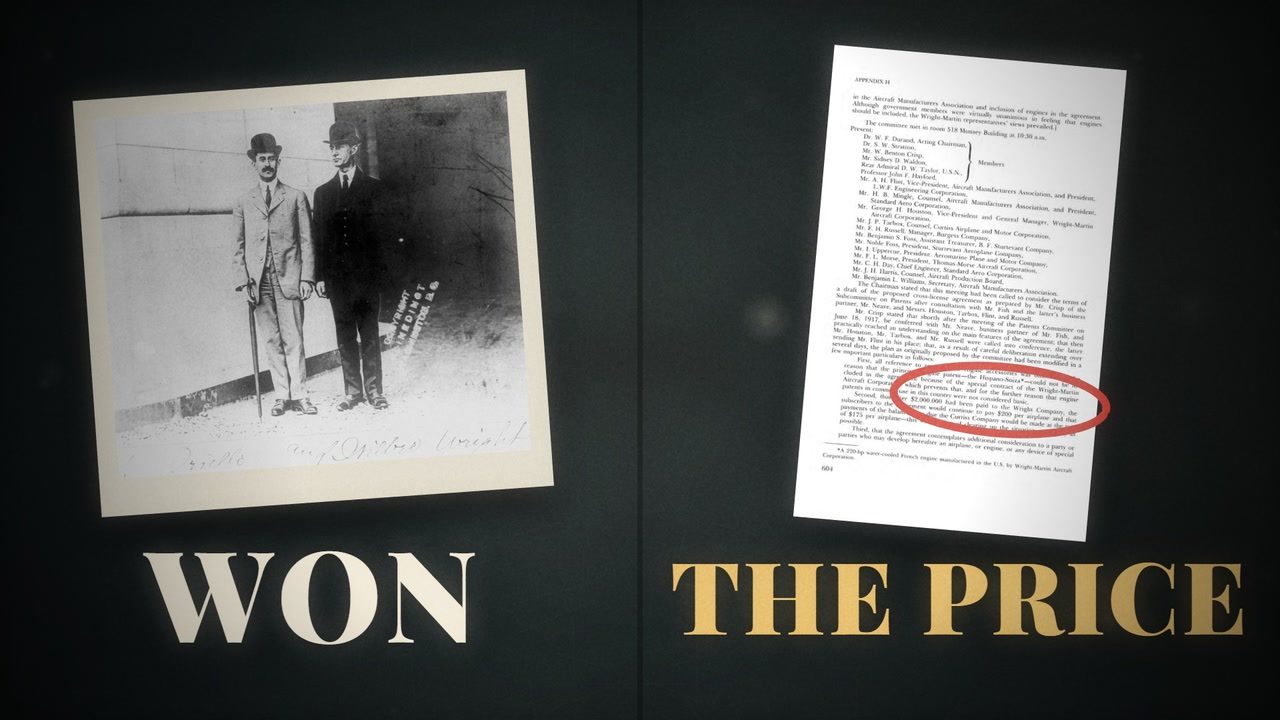
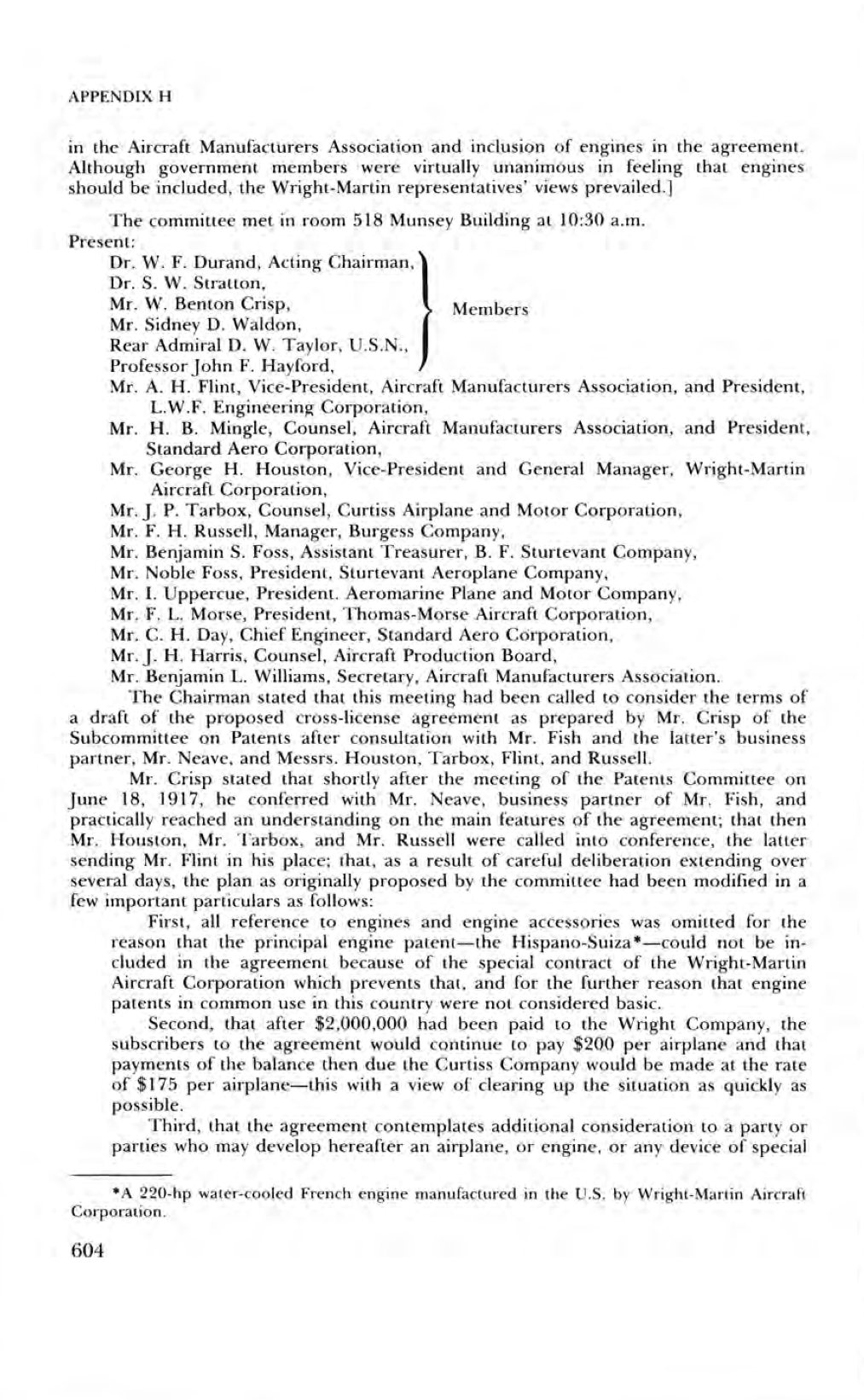
The patent subcommittee of the National Advisory Committee for Aeronautics called the manufacturers in. The meeting was at 10:30 in the morning, in room 518 of the Munsey Building in Washington. Around the table were the vice president of Wright-Martin, a lawyer for Curtiss, the manager of the Burgess Company and a navy rear admiral. NASA later printed the minutes [4].
They show a draft, not a signed contract. It names a fee of $200 per airplane, a rate of $175 per airplane toward the balance still due to Curtiss, and a cap of $2,000,000 on what Curtiss could receive. The wording of the first amount is unclear in the scan we read, so the signed agreement remains to be read [4].
Admiral Taylor said payments to the Wright Company should end with the life of its patent, number 821,393. The room also voted eight to four that airplane engines belonged in the deal. The lawyers for the Wright side, the lawyers for the Curtiss side and the government sat at one table, negotiating the terms of a patent that two courts had held valid [4].
Swipe sideways to read the full line.
7:46
How did the pool work, and what did it cost?
Two weeks after the meeting, on July 24, 1917, the Manufacturers Aircraft Association was created to run the agreement [5]. A newspaper headline on Aug. 7 read that Wright and Curtiss interests would each ultimately receive $2,000,000. We read the headline only [6].
The industry's own yearbook says the royalty was considerably lower than on comparable automobile patents. In March 1918 the Association halved it for the length of the war. The Secretary of the Navy acknowledged the cut on March 28, and a supplemental agreement was signed on April 19 [5].
That is the arrangement behind the number we started with: 13,943 airplanes [5].
9:02
Was the sky ever really locked?
Not everyone agrees. In 2015, two researchers, Katznelson and Howells, published a study in the journal Industrial and Corporate Change. According to the abstract of their paper, manufacturers faced no patent barriers in a market dominated by government demand. They call the idea of a patent hold-up a myth, and say officials used the threat of condemnation to impose lower royalties [7]. We read only the abstract. Other historians disagree.
What is not disputed is the paper trail: a valid patent, a losing defendant who kept flying, a decree with no dollar figure, and a draft price list discussed in room 518. The pool itself outlived the war. A Justice Department consent decree ended it in 1975 [9].